
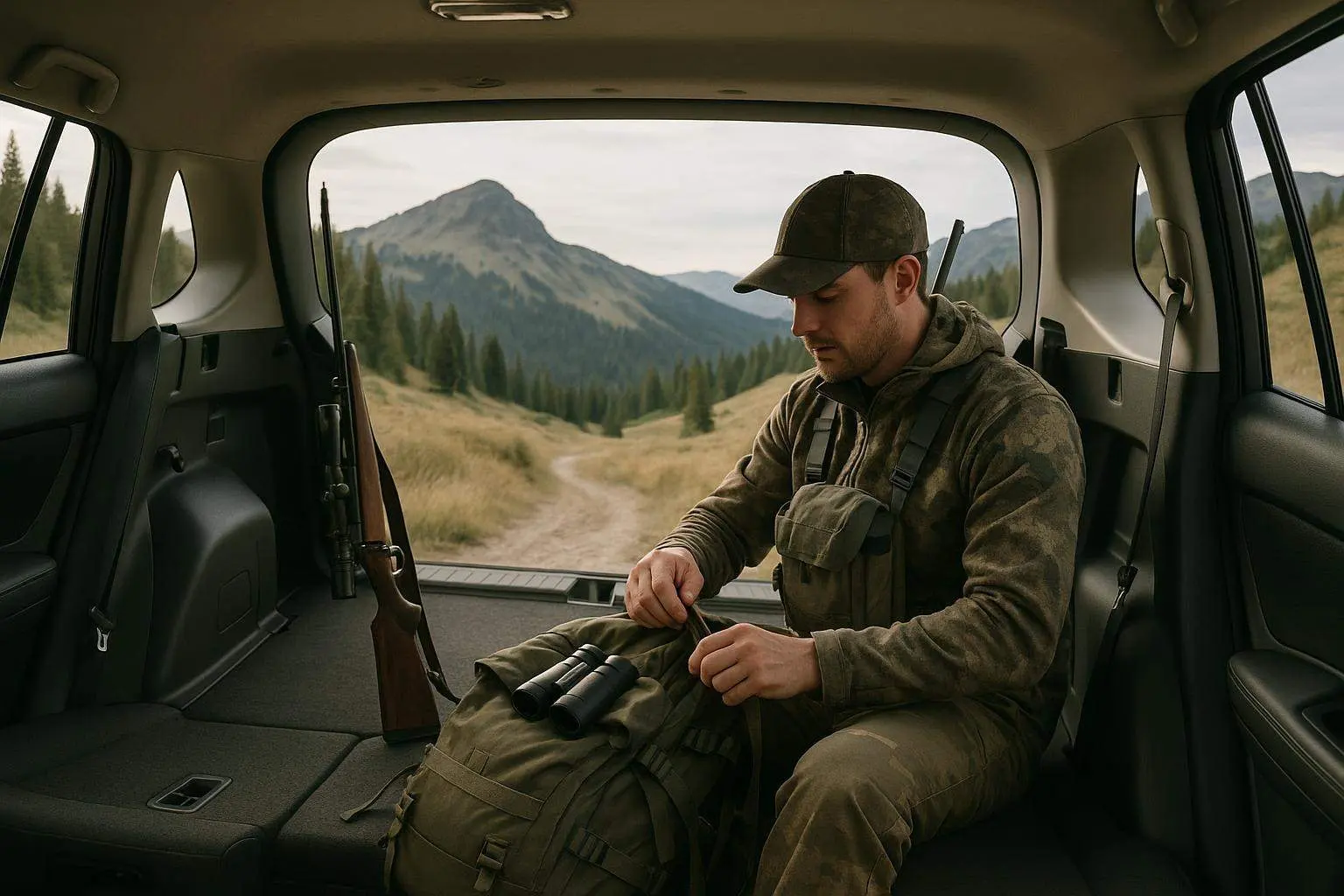
Leave the heavy blind at home or carry it in? On a western deer hunt, that decision may depend less on the gear than on the forecast, a steep approach and how long you can watch one basin. The useful answer comes from identifying the conditions that will shape the day, then choosing equipment that supports a clean, legal and realistic opportunity. A sound plan also allows for changed access, updated regulations and the possibility that the right choice is to pass.
Start with the animal, terrain, and access
Begin with the place you can actually hunt, not the equipment you prefer. A public-land basin reached by a long climb raises different questions than a short walk from a maintained road. Thick timber may limit visibility and favor quiet movement, while open slopes make concealment, glassing positions and wind direction more important. The species and season matter, but they do not override the physical facts in front of you.
Consider a weekend deer hunt with cool mornings, afternoon wind, a steep trail, a rocky saddle and a lower drainage with thicker cover. A large pack can carry more comfort items but slow the approach and make the return harder. A lighter load may make the climb manageable while leaving less room for layers or water. Neither choice is automatically correct.
Before packing, ask how far you will travel, where you will spend the waiting hours and what could make the return harder than the approach. Those answers give the loadout a purpose.
Let weather change the answer
Forecasts are useful, but field conditions are what your body and equipment must handle. Cold air at the trailhead does not show how exposed a ridge will feel after sunrise. Wind may differ across a saddle, while recent rain or snow can turn a familiar route into slick ground, mud or unstable footing.
Build the plan around layers rather than one bulky solution. A quiet outer layer, dependable rain protection and a way to keep spare essentials dry often matter more than specialized additions for unlikely situations. Check footwear for worn soles, inspect pack straps and test closures before leaving. Small failures become larger problems when you are tired, wet or trying to move quietly.
Wind affects scent, sound and comfort. Treat changing wind as a reason to reassess location and timing, not as a challenge to ignore.
Match equipment to the failure you can tolerate
Every choice carries a tradeoff. More insulation means more weight. A larger optic can improve detail at a distance but add bulk. A sturdier shelter may provide comfort in poor weather while taking space better used for water, food or emergency layers.
Choose by asking which failure would create the greatest risk or undermine the hunt. If wet weather is likely, protecting dry clothing may matter more than another accessory. If the route is demanding, cutting unnecessary weight may preserve attention and balance. If visibility is limited, a quiet, simple arrangement may be more useful than equipment intended for unlikely conditions.
Cover predictable problems and carry backups for essentials: navigation, communication, weather protection, hydration and basic first aid. Test the complete load on a local walk. A setup that looks reasonable on the floor can shift, rub or restrict movement after several hours.
Put ethical hunting into the field plan
Ethical hunting starts with choosing a method and location that allow a responsible decision under actual conditions. If brush, distance, poor light or unstable footing could make identification or follow-up uncertain, wait, move or pass.
Know your limits before the pressure of a close encounter makes the decision harder. Be realistic about your ability to judge the target, maintain control and recover an animal without avoidable suffering or leaving meat unused. A legal opportunity is not automatically a wise one.
Respect for other hunters and land users belongs in the same plan. Avoid crowding a known access point, leave gates and property boundaries as you found them, and control noise and waste. Conservation is practical work: protect habitat, follow access rules and treat harvested wildlife as a responsibility rather than a trophy calculation.
Verify regulations before the trip
Hunting regulations can change by species, season, unit, method, weapon, land status and permit conditions. Requirements may also differ among public land, private property and special management areas. Do not rely on a previous season's memory, an old printed page or advice that does not identify the current jurisdiction.
Before departure, check current guidance from the relevant state wildlife agency and land manager. Confirm the open area, dates, legal equipment, tagging or reporting requirements, access restrictions and rules affecting transport or retrieval. If wording is unclear, seek clarification from the agency before entering the field.
Save the applicable information where it is available without service, and carry required documents in the form accepted by the jurisdiction. Because regulations can change, make this a recurring part of preparation.
Use a departure checklist that earns its place
Keep the final check short but specific:
– Confirm the current season, unit, land access and method rules.
– Check the forecast, daylight plan, route and backup route.
– Inspect footwear, layers, optics, pack fit and water capacity.
– Carry navigation, communication, first aid and weather protection.
– Tell a reliable person the route, parking area and expected return.
– Review when to pass, turn back or change location.
– Pack out waste and plan how meat, equipment and evidence of harvest will be handled legally.
The goal is not the most elaborate load. It is a setup suited to the ground, adaptable to changing conditions and supportive of sound judgment when the day does not follow the forecast. Preparation is strongest when it makes the ethical choice easier, including the choice to walk away.